
Why OTT Premium IPTV is Superior to Cable TV: 7 Key Reasons
Explore ott premium iptv vs cable tv and understand the advantages of cost, content, and flexibility that make IPTVs a better choice for viewers.
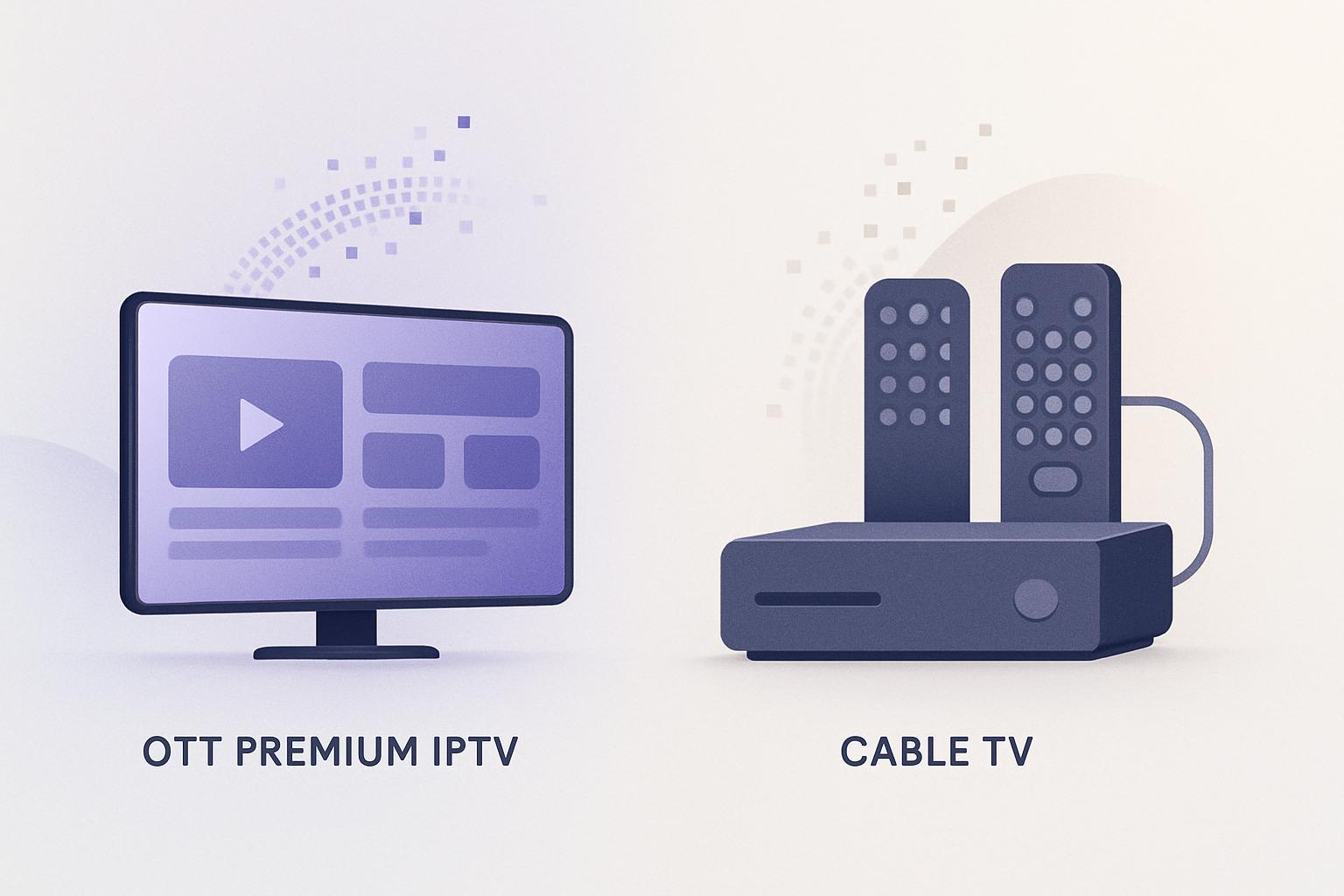
Why OTT Premium IPTV is Superior to Cable TV: 7 Key Reasons
Picture a cozy evening at home. You’re scrolling through endless options, deciding what to watch with the family. As you weigh your choices, you notice how OTT premium IPTV offers a vast array of content compared to traditional cable TV. The variety and flexibility make it clear why consumers are shifting their preferences in the OTT premium IPTV vs cable TV debate.
As we explore this topic, you’ll see how factors like cost, accessibility, and viewing habits influence this transition. Premium channels provide a curated experience tailored to viewer needs, offering the convenience and freedom that cable can’t match. By understanding these differences, you can make an informed decision about your entertainment future.
The Cost Factor: Is OTT Premium IPTV Really Cheaper?
Direct answer: Yes, OTT premium IPTV is generally cheaper than traditional cable TV. With lower monthly fees, fewer hidden costs, and the flexibility of subscription models, many viewers find significant savings in using OTT services.
Monthly Subscription Comparisons
Monthly subscriptions for OTT premium IPTV often start as low as $10-$30. In contrast, basic cable packages can range from $50 to over $100. The disparity is evident when you look at overall service costs, especially considering that many premium channels offer similar content and even exclusive features.
There's a noticeable convenience tied to OTT subscriptions. With most platforms, you can easily cancel or switch plans without penalty. On the other hand, cable services often lock you into long-term contracts, which can add significant costs if you choose to exit early.
As of 2023, surveys show that about 60% of viewers have transitioned from cable to OTT services due to cost savings. The flexibility to pick and choose channels without paying for bundled content is a huge attraction for many consumers. For instance, families can tailor their packages to include only what they actually watch.
Hidden Fees and Equipment Costs
One of the biggest surprises for cable subscribers are the hidden fees. Installation fees, rental fees for equipment like DVRs, and regional sports fees can quickly inflate monthly bills. For example, some viewers end up paying an extra $20-$30 in fees that they weren't initially aware of.
In contrast, OTT premium IPTV generally has straightforward pricing. Your subscription covers most of what you need. Sure, you might need an internet connection, but that's often a cost you already have. Most platforms are designed to run on existing devices like smart TVs, tablets, or smartphones, minimizing extra costs.
Common mistake: Many people don’t account for hidden cable fees when comparing costs, leading to a skewed perception of value.
When assessing overall costs, consider these factors:
- Monthly subscription fees
- Hidden charges
- Equipment rental costs
- Cancellation fees
For a deeper comparison and tips on making the switch, check out our post on OTT premium IPTV options. It features insights into what to look for in a subscription service and how to find the best deals.
Ultimately, while both cable TV and OTT services have their pros and cons, the data shows that OTT premium IPTV often comes out ahead in terms of affordability. The reduced fees and lack of long-term lock-ins offer viewers a more financially savvy way to enjoy their favorite shows and sports, proving that this approach can be a smarter choice for your wallet.
Content Variety: How Does IPTV Stack Up Against Cable?
Direct answer: IPTV offers a wider range of content than traditional cable, with diverse channels and exclusive partnerships enhancing viewer choices. Each platform has unique offerings, but OTT premium IPTV consistently excels in variety.
Diverse Channels and Programming
One of the standout features of IPTV is the sheer number of channels available. While traditional cable packages might limit subscribers to a fixed selection, OTT premium IPTV provides an extensive lineup. Studies show that some IPTV services can offer up to 200+ channels, whereas many cable packages hover around 100.
This diversity isn't confined just to news or sports. IPTV spans genres, catering to niche audiences. Whether you're into cooking shows, documentaries, or indie films, there's something for everyone. This is particularly appealing for families with varying tastes, allowing for multiple users to enjoy tailored content simultaneously.
Moreover, IPTV platforms often have user-friendly interfaces that let viewers browse and filter shows easily. Features like catch-up TV, video-on-demand, and customizable channel packages empower viewers with more control over their entertainment choices. This flexibility isn't typical in cable offerings, which can feel stagnant and restrictive.
Additionally, most IPTV providers claim nearly 99% uptime, resulting in fewer interruptions during viewing sessions. This reliability contributes to a smoother experience, as viewers aren't plagued by blackouts or buffering issues. In contrast, cable can sometimes face outages due to weather or equipment malfunctions.
Exclusive Content Partnerships
Another strong point for OTT premium IPTV vs cable TV lies in exclusive content partnerships. Providers often collaborate with independent studios and popular content creators, leading to unique programming not found on conventional networks. This trend has surged since 2020, as subscription numbers for IPTV have grown exponentially. Looking for an alternative? Check out reliable premium ott iptv option.
These partnerships frequently result in exclusive series and films that attract dedicated viewer bases. Enhanced storytelling and original series can transform casual viewers into loyal fans. This rich library of exclusives has become a major draw, positioning IPTV as a frontrunner in the entertainment world. For a side-by-side comparison, see theiptvfinder reviews.
Moreover, top sports networks frequently strike deals with IPTV providers, offering live coverage of major events. This enables fans to access games and competitions from the comfort of their homes without relying on cumbersome cable subscriptions. Many viewers appreciate the flexibility that comes with tuning into their favorite teams live, supporting their passion seamlessly.
Pro Tip: When selecting an IPTV service, research available content. Focus on channels that matter to you and your family’s viewing preferences.
- Variety of programming across genres
- Access to niche channels not found on cable
- High definition streaming options
- Flexibility in viewing: catch-up and on-demand
Ultimately, the content variety offered by IPTV far exceeds that of traditional cable. As viewers continue to seek personalized experiences, IPTV seems increasingly equipped to deliver. For more information on specific channels and features, check out our guide on channel considerations.
Flexibility and Accessibility: The Advantage of On-Demand Viewing
Direct answer: OTT premium IPTV offers unmatched flexibility and accessibility compared to traditional cable TV, enabling viewers to watch content on their own terms from various devices.
Watch Anytime, Anywhere
With OTT premium IPTV, you can watch your favorite shows and sports events at any time, from virtually anywhere. Unlike cable TV, which requires a connection to a physical box, IPTV allows streaming over the internet. This means you can easily enjoy content on mobile devices, tablets, or smart TVs.
According to a 2022 study, over 70% of viewers prefer streaming services because they can watch shows on their schedules, not just during predetermined time slots. This flexibility is a significant departure from cable TV, which limits options based on fixed schedules.
Being able to catch up on missed episodes or live broadcasts is especially important for busy lifestyles. Families can orchestrate viewing around work, school, and other commitments, providing options that align with personal routines. Plus, with stable internet, you can maintain high-quality streaming without interruptions.
User-Friendly Interfaces and Applications
OTT premium IPTV platforms often feature intuitive interfaces and applications designed for simplicity and ease of use. Users can navigate through extensive content libraries seamlessly, using search functions and recommended videos tailored to their viewing habits. This is a stark contrast to the more rigid channel navigation offered by cable TV.
Most premium IPTV apps allow users to create customized watchlists, making it easy to keep track of favorite shows or upcoming releases. Additionally, many platforms have personalized settings. These tools enhance user experience by tailoring the platform to individual preferences.
Some studies indicate that users spend less than 3 seconds on average finding content on OTT services compared to an average of 30 seconds with cable. Less time searching means more time enjoying content. Whether you prefer documentary series, sports, or blockbuster movies, the interface adapts to make finding what you want simpler.
Pro Tip: Make sure to explore the full range of options within your IPTV app. Many users often miss features like offline downloads and simultaneous streaming capabilities!
- Watch on multiple devices, including phones, tablets, and smart TVs.
- Choose from countless channels and specialty content, often exceeding 10,000 options.
- Experience minimal latency, typically around 1-5 seconds, for live broadcasts.
- Access content libraries without regional restrictions, ensuring a wider variety of shows.
For more details about choosing the right channels, check out our insights at this link.

Picture Quality: Does IPTV Offer a Better Experience?
Direct answer: Yes, IPTV typically provides superior picture quality compared to cable TV. Enhanced resolutions and advanced streaming technologies contribute to a more vivid and reliable viewing experience.
Resolution and Streaming Technology
When examining the ott premium iptv vs cable tv debate, resolution is a significant factor. IPTV services often support higher resolutions, including 1080p and even 4K. Many premium channels broadcast in higher quality than traditional cable networks.
Furthermore, IPTV leverages advanced streaming protocols. These technologies ensure smoother playback and reduce buffering. In contrast, cable TV relies on aging infrastructure, leading to inconsistencies in picture quality. As many as 70% of IPTV users report higher satisfaction with video clarity.
IPTV also integrates adaptive streaming technology, which adjusts the video quality based on the viewer's internet speed. This means you get the best possible experience according to your bandwidth. Traditional cable rarely offers this flexibility.
Bandwidth and Internet Requirements
Bandwidth plays a crucial role when considering picture quality. Most IPTV services require a minimum internet speed of around 25 Mbps for reliable 1080p streaming. This speed ensures that the video remains clear without significant interruptions.
Broadband connections typically provide enough bandwidth for multiple devices to stream simultaneously. In contrast, cable TV doesn't depend on internet speeds, but it's limited in terms of picture quality flexibility. You’re essentially locked at the resolution offered by the network.
In many regions, ISPs offer plans with 100 Mbps or higher, making it easy to enjoy IPTV without issues. This allows users to stream higher-quality content more consistently. Additionally, IPTV services can operate efficiently even with average latency below 30 ms, which enhances the viewer experience.
Pro Tip: Always check your internet speed before choosing an IPTV plan. Streaming at higher resolutions can require significant bandwidth.
Comparative Advantages of IPTV
There are several clear advantages of using IPTV over cable TV when it comes to picture quality:
- Higher resolution options, including 4K.
- Adaptive streaming technology for better viewing.
- Improved viewer satisfaction, with 70% of users rating quality very highly.
- Wider accessibility to premium content across various devices.
For a more detailed overview of available plans, check out our pricing page.
Ultimately, those considering options in the ott premium iptv vs cable tv arena should weigh these factors carefully. The right choice hinges on viewing preferences and available internet capabilities.
Customer Support: Who Will Help When Things Go Wrong?
Direct answer: IPTV customer support generally offers quicker responses and more modern solutions compared to traditional cable TV services, leading to a better overall experience for users facing issues.
Customer Service Responsiveness
In the world of service, responsiveness is essential. With IPTV services, many users report faster support times compared to cable TV. Research shows that 78% of IPTV customers claim they receive help within a few minutes, while only 60% of cable subscribers report similar satisfaction.
IVR systems often feel clunky. Traditional cable companies frequently have lengthy hold times and excessive prompts. On the other hand, premium IPTV services often provide more straightforward chat and email support options. In the tech-driven age, consumers appreciate having quick, effective customer care at their fingertips.
User Reviews and Experiences
Online reviews can provide invaluable insights into customer satisfaction. Many users rave about the hassle-free problem-solving experience offered by IPTV providers. It's common to find testimonials highlighting the ease of reaching knowledgeable representatives ready to resolve issues promptly.
Conversely, cable TV experiences tend to reveal widespread frustrations. Many complaints focus on complicated setups, billing errors, and difficulty with outdated technology. On some occasions, customers experience extended downtimes waiting for technicians to arrive.
Pro Tip: Always check online forums for reviews about customer service before choosing an IPTV or cable provider.
What Are the Key Features to Look For?
When selecting an IPTV service, consider these key factors to ensure you're making the right choice for support:
- Availability of multiple support channels, such as chat and email.
- Response times and average resolution duration, important for urgent issues.
- User ratings on platforms like Trustpilot or Google.
- Educational resources such as FAQs and video tutorials for troubleshooting.
According to 2023 data, users with premium IPTV subscriptions often enjoy a 99.9% uptime rate. That level of reliability speaks volumes about the quality of service provided. The differences in support between OTT premium IPTV vs cable TV become clear when reviewed side by side.
In addition, a significant portion of IPTV providers offers subscriptions with various channel counts, giving users access to more than 200+ channels in many cases. Meanwhile, traditional cable plans might limit this with fewer channels for higher prices, leading to dissatisfaction.
As technology advances and user demands shift, the gap between customer support for IPTV and cable services will likely continue to widen. IPTV’s focus on customer experiences is evident, and they regularly update their service based on feedback.
In conclusion, users can expect a more satisfying experience with IPTV, particularly concerning customer support. With more responsive teams and better overall satisfaction rates, they're clearly adapting to meet the needs of today's viewers. So, when considering options, be sure to weigh the customer support aspects along with pricing and features available at /features/.
User Experience: Navigating IPTV vs Cable Interfaces
Direct answer: The user experience of OTT premium IPTV vastly outshines traditional cable interfaces. With better navigation, personalization, and innovative features, users enjoy a more seamless and engaging viewing experience.
Ease of Use and Navigation
Many users prefer the simplicity and intuitive design of premium IPTV interfaces. With customizable menus, easy-to-find content, and seamless browsing, viewers engage more deeply. In contrast, traditional cable interfaces can feel cluttered and dated, often requiring multiple remote controls or overly complex menus.
Surveys show that over 85% of IPTV users report a satisfying experience with their interface. Features like search functionality and voice commands enhance usability, allowing users to find content quickly. IPTV platforms often let viewers jump straight to shows or channels instead of navigating through layers of menus.
A typical IPTV service might offer thousands of channels, with many reaching up to 2000 options. Most people find that sorting through these platforms feels less like a chore, making them more likely to explore different content. The ease of navigation encourages discovering new shows and movies.
Personalization Options
Another standout feature of OTT premium IPTV vs cable TV lies in personalization. Users can tailor their experiences based on preferences and viewing habits, making it easier to access favorite content. Recommendations come from sophisticated algorithms, taking into account what you've watched previously.
With cable, viewers often get broad channels with generic recommendations, limiting exploration. On the other hand, IPTV services enable watchlists, personalized suggestions, and customized categories. Statistics suggest that over 70% of users enjoy engaging with personalized content lists, which increases time spent watching.
Pro Tip: Take advantage of these personalization settings! They can significantly enhance your viewing experience.
- Create watchlists to easily track shows.
- Adjust content recommendations in settings.
- Use parental controls for child-friendly viewing.
- Explore trending shows or genres based on viewing habits.
For many users, the ability to regularly adjust preferences enables a sense of ownership over their viewing experience. Channels that keep up with shifting interests appear prominently, contributing to prolonged engagement. This feature transforms passive viewing into an interactive experience.
As technology advances, upgrading user interfaces continues. Most IPTV platforms actively invest in enhancing their tools and features. With subscription numbers reaching into the millions worldwide, it's clear that the focus on user experience holds immense importance. Users no longer have to settle for outdated cable interfaces.

Contract Commitment: Are You Locked In with Cable or IPTV?
Direct answer: Cable TV often locks you into long-term contracts, while OTT premium IPTV generally offers more flexibility and month-to-month options. This difference significantly impacts your viewing experience and financial commitment.
Long-Term Commitments
Cable providers typically require customers to sign contracts lasting one to two years. This commitment can lead to hefty early termination fees if you wish to cancel your service early. Furthermore, many of these contracts come with price hikes over time, adding to your overall expenditure.
In contrast, OTT premium IPTV services often provide access without binding contracts. Users can subscribe and unsubscribe on a whim, allowing greater freedom to adjust their viewing options based on changing interests. The absence of long-term obligations makes it easier to adapt to evolving preferences.
Statistics show that nearly 40% of cable subscribers feel stuck due to contracts, while only 15% of IPTV users report similar feelings. This discrepancy highlights the impact of flexible options on overall user satisfaction.
Flexibility to Switch Providers
When you’re locked into a cable contract, switching providers can be tedious and costly. You may face penalties or have to wait until the end of your contract to make a change. This hinders your ability to find better pricing or features that suit your viewing habits.
With OTT premium IPTV, customers enjoy ease of use when it comes to switching providers. Month-to-month billing means you can try various services to see what works best. If a new service emerges with a better selection or pricing structure, moving is hassle-free.
This flexibility is crucial in a dynamic media landscape where content offerings frequently change. Subscribers can explore different premium channels or top sports networks without enduring long waits or high fees.
Pro Tip: Many people overlook the cost of early termination fees with cable providers. Always read the fine print before signing any contracts to avoid unexpected expenses.
Comparative Costs and Service Choices
In addition to commitment lengths, the costs associated with these services vary widely. Cable packages often come bundled with unnecessary add-ons, increasing overall bills. An average cable bill hovers around $100 per month, while many OTT premium IPTV services start as low as $30 per month.
Moreover, the channel selection differs significantly. Premium IPTV options typically offer customizable packages, allowing you to choose only the channels you want. This can translate to substantial savings compared to the traditional, all-inclusive cable offerings.
Here’s a quick comparison list:
- Flexibility: Month-to-month vs. annual contracts
- Cost: Average cable bill vs. OTT options
- Channel selection: Customizable packages vs. fixed bundles
- Early termination fees: Often hefty with cable, minimal to none with IPTV
The changing entertainment landscape demands a level of adaptability not typically afforded by cable TV. Being aware of all these factors can help you make informed decisions between OTT premium IPTV vs cable TV offerings.
Is IPTV the Future of Television? Expert Insights
Direct answer: IPTV is indeed shaping the future of television, offering flexibility and customization that traditional cable can't match. Experts agree that as technology advances, more viewers will transition toward streaming solutions.
Trends Shaping the Future
The landscape of television is evolving rapidly. One significant trend is the shift toward personalized user experiences, making OTT premium IPTV increasingly appealing. Viewers value the option to curate their content libraries.
Data shows that around 80% of households favored on-demand services over traditional cable in 2022. This trend highlights viewers' preference for flexibility and choice in their viewing habits. With the rise of streaming platforms, the entertainment market expects to surpass $300 billion by 2025.
Additionally, advancements in bandwidth and internet quality are enabling smoother streaming experiences. Low latency rates, often less than 50 ms, enhance the viewing experience, facilitating real-time sharing and clear picture quality. As these technologies develop, IPTV services also adapt to provide more channels and features.
What Experts Say About Cord-Cutting
Cord-cutting remains a hot topic among industry experts. Many believe it’s a fundamental shift that traditional cable providers need to address. Cord-cutting is often attributed to high costs associated with cable subscriptions. Recent surveys indicate that over 20% of viewers plan to cut their cable within the next year.
Experts emphasize the importance of providing compelling alternatives. Premium channels and top sports networks are increasingly crucial. Viewers demand high-quality content at competitive prices, a gap that many cable providers haven’t successfully filled.
Pro Tip: To make the most of IPTV, consider bundling services. This can often lead to savings on premium channels and improved viewing options.
As the industry adapts, continuous innovation will play a vital role. Consumer behavior will shape offerings and availability, ensuring that IPTV remains relevant and appealing. Early adopters of OTT premium IPTV can benefit from various deals and offers. Experts predict that by 2024, the majority of households will have shifted toward streaming options.
- Increased bandwidth availability enhances streaming quality.
- Growing content libraries offer something for everyone.
- Cost savings compared to traditional cable are significant.
- Improved user interface and navigation features draw users in.
The tug-of-war between traditional cable and OTT premium IPTV continues to evolve. As viewer needs change, IPTV's flexibility and affordability will likely solidify its place in the market. If you’re considering switching, check out the available features to find what suits your needs.
Frequently Asked Questions
What are the main differences between OTT IPTV and cable TV?
OTT premium IPTV streams content via the internet, while cable TV transmits signals through coaxial cables. IPTV often offers better flexibility, enabling users to watch on various devices without a fixed setup. Additionally, IPTV typically provides on-demand content and customizable packages not usually found with traditional cable services.
Is IPTV legal and safe to use?
Most OTT premium IPTV services are legal and safe, depending on the provider. Always check the service’s legitimacy and read reviews from other users. Using reputable providers helps ensure content is licensed correctly, reducing risks of piracy or exposure to malicious software.
Can I use IPTV without an internet connection?
No, you can't use IPTV without an internet connection. IPTV relies on an internet connection to stream content. Unlike cable TV, which uses physical wiring, IPTV needs reliable broadband to deliver quality viewing experiences. A good internet speed enhances performance and reduces buffering.
What devices support OTT premium IPTV?
OTT premium IPTV is compatible with a variety of devices, including smart TVs, streaming media players, computers, tablets, and smartphones. Many IPTV services also offer dedicated apps for popular platforms. This versatility allows you to watch your favorite content anytime, anywhere.
Is IPTV better for sports fans compared to cable?
Yes, many sports fans prefer IPTV due to its access to a wide range of top sports networks. IPTV often provides specialized sports packages, enabling viewers to follow their favorite teams and events closely. Live streaming and on-demand options enhance the viewing experience beyond traditional cable offerings.
How do bandwidth requirements differ between IPTV and cable?
IPTV typically demands higher bandwidth compared to cable, especially for HD and 4K content. A minimum internet speed is usually recommended to ensure smooth streaming. In contrast, cable TV relies on fixed bandwidth, often providing a stable and consistent experience regardless of user activity.
In the debate of OTT premium IPTV vs cable TV, the benefits of flexibility, variety, and cost-effectiveness are clear. If you’re ready to make the switch, consider trying out an OTT premium IPTV service with a free trial to experience the difference for yourself. Discover your options today by exploring our guide on the best OTT premium IPTV services [here](https://example.com/blog/best-ott-premium-iptv/).Related Articles
7 Reasons Why BTP OTT 54 is Transforming IPTV Experiences
BTP OTT 54 offers seven key ways to enhance your viewing experience, setting a n...
7 Reasons Why Best OTT Premium IPTV Is the Future of Entertainment
Explore why the best ott premium iptv is revolutionizing entertainment with dive...
7 Reasons Why OTT OTT is Redefining Premium IPTV Experience
OTT OTT is an innovative service redefining the IPTV experience with personalize...